
Understanding Physical Anxiety Symptoms Australia and How the Body Reacts
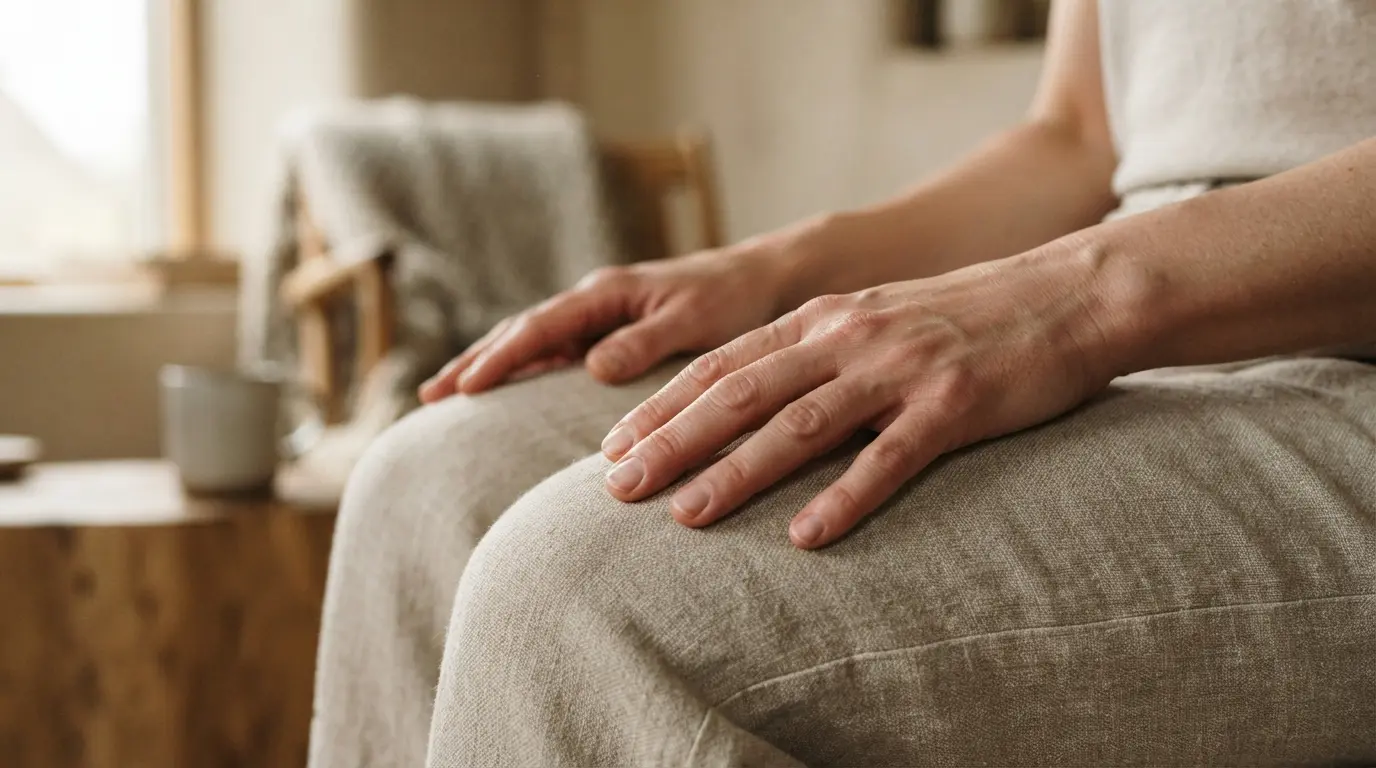
Understand physical anxiety symptoms, from a racing pulse to tight chest muscles. Learn how body-focused counselling helps you feel steady again.
Recognising physical anxiety symptoms australia wide begins with understanding your body's automatic survival system. When fear strikes, your nervous system redirects blood flow, tightens muscles, and speeds up your pulse to protect you. Over my 24 years of clinical counselling experience, I have seen how learning these bodily changes helps you reduce fear and regain steady control.
Key Takeaways
Physical symptoms occur because the autonomic nervous system prepares the body to face danger.
Rapid chest breathing alters blood gases, creating lightheaded feelings and tingling fingers.
The gut-brain communication pathway slows stomach digestion whenever stress chemicals surge.
Interrupting the symptom-fear loop helps prevent ordinary physical sensations from escalating into intense distress.
Trauma-informed therapy and medical reviews provide clear pathways to long-term relief.
Why Anxiety Symptoms Australia Wide Feel so Intensely Physical
Many people visit hospital emergency rooms fearing a heart attack when severe tension strikes. Data from the Australian Bureau of Statistics shows that more than one in six Australians had an anxiety condition in a recent twelve-month period. These individuals are experiencing a genuine biological survival reaction.
The autonomic nervous system oversees daily bodily functions without conscious effort. It directs heart rate, blood pressure, and digestion. When danger appears, the sympathetic branch takes charge immediately, activating the fight-or-flight response.
A report by Harvard Health Publishing explains that the brain triggers this alarm within split seconds of sensing stress. The adrenal glands release adrenaline and cortisol into the bloodstream. Adrenaline pushes blood to large muscles, widens air passages, and sharpens vision, while cortisol maintains this high-alert state.
Daily pressures like job deadlines, unpaid bills, or relationship conflict often trigger this exact chemical response. The chemical surge occurs anyway, leaving your body charged with energy it cannot burn off through physical action.
The Vascular Shift and Muscle Tremors
Circulation changes immediately once stress chemicals enter your bloodstream. A review by Better Health Channel Victoria shows that adrenaline contracts peripheral blood vessels near the skin surface. This vascular shift pulls blood away from the skin, hands, and feet, directing it toward large muscle groups such as the thighs and shoulders.
This redirection helps a person sprint or defend themselves during a physical crisis. Modern life usually keeps people sitting down when tension spikes. Blood leaves the skin and extremities without an active outlet, which explains why your fingers turn icy and pale during an episode.
Muscles stay tight while blood pools in major muscle groups. Without movement, this stored energy creates noticeable physical effects:
Hands and fingers start trembling.
The jaw clenches without you realising it.
Leg muscles feel shaky or weak.
The body experiences sudden, involuntary shivers.
How Stress Hormones Move Through the Body
Stress chemicals alter several interconnected body systems within seconds. Each system produces distinct sensations that can feel alarming when you do not expect them:
Cardiovascular system: Adrenaline increases heart rate to feed oxygen to muscles, causing palpitations and chest tightness.
Respiratory system: Rapid breathing blows off carbon dioxide, which produces lightheadedness and tingling limbs.
Digestive system: Blood diverts away from the stomach, which slows digestion and causes sudden nausea or stomach cramps.
Musculoskeletal system: Constant muscle bracing leads to chronic tension, aching shoulders, and headaches.
Heart and Blood Vessels: Palpitations and Chest Pressure
The cardiovascular system reacts early to any surge of adrenaline. Your heart rate rises quickly to pump oxygenated blood through the body. You may feel your pulse thumping against your ribs, in your neck, or behind your ears.
Chest tightness often develops alongside a fast heartbeat. Small muscles between your ribs contract under stress, making deep breaths difficult. This sensation can feel like sudden cardiac pain.
Clinical advice from Healthdirect Australia notes that unexpected chest discomfort always requires medical assessment to rule out heart conditions. Once a doctor confirms your heart is healthy, you can treat these chest sensations as an overactive survival response.
Lungs and Oxygen: Rapid Breathing and Tingling Limbs
Changes in your breathing patterns often develop quietly before full panic arrives. People under stress take quick, shallow breaths using the upper chest instead of the diaphragm. This breathing pattern expels carbon dioxide faster than the body produces it.
Clinical research from the National Center for Biotechnology Information shows that rapid breathing causes hypocapnia, which lowers blood carbon dioxide levels. This shift alters blood pH, creating temporary respiratory alkalosis.
As blood pH changes, red blood cells hold onto oxygen rather than releasing it into brain tissues, producing lightheadedness and unsteadiness. Hypocapnia also lowers free calcium in the blood, making peripheral nerves fire randomly. This reaction creates paresthesia, which feels like pins and needles in your fingers, toes, and lips. When people notice these anxiety symptoms australia wide, they often worry about nerve damage, even though the sensation passes once normal breathing resumes.
Digestion and the Gut-Brain Axis: Nausea and Cramps
Your digestive tract shares an active communication line with your central nervous system. Communication between your stomach and brain travels along the vagus nerve. Clinical guidance from Queensland Health describes this direct communication route as the gut-brain axis.
During a survival response, digestion stops being an urgent priority. Blood leaves the stomach lining, digestive acid production drops, and normal stomach contractions slow down. This sudden halt causes nausea, dry mouth, or stomach cramps.
Stress hormones can also trigger rapid movement in the lower bowel, leading to sudden loose stools. A report from the Australian Institute of Health and Welfare identifies anxiety conditions as one of the leading causes of disease burden in Australia. Much of that burden comes from the physical strain of chronic digestive upset and ongoing bodily tension.
Panic Attacks Compared With Persistent Anxiety
Physical symptoms vary depending on how fast stress hormones flood your system. Recognizing whether you are facing an acute panic surge or persistent daily tension helps you choose the right tools.
An acute panic attack begins quickly and reaches peak intensity within ten minutes. Physical symptoms arrive in a sharp wave, bringing a pounding heart, dizziness, breathlessness, and shaking. The nervous system fires a sudden alarm before settling down over thirty to sixty minutes.
Generalised anxiety works differently. Instead of a sharp spike, it produces low-grade, persistent tension that lasts for months. People experience aching neck muscles, poor sleep, digestive sensitivity, and fatigue. Managing ongoing anxiety symptoms australia wide requires calming this long-term background alarm.
Everyday Internal and External Triggers
Physical anxiety rarely happens in isolation. Daily pressures and internal body chemistry often join together to trigger a survival response.
External triggers include workplace disputes, crowded shopping centres, and financial worries. Continuous exposure to high pressure keeps your nervous system primed for danger.
Internal physical triggers can be just as strong:
Caffeine intake: Caffeine blocks adenosine receptors that promote calm. A clinical review in PubMed shows that variations in the CYP1A2 liver enzyme affect how quickly people process caffeine. Slow metabolizers can experience heart palpitations and jitters from a single cup of coffee.
Sleep loss: Poor sleep disrupts nervous system balance. The National Institute of Mental Health points out that sleep loss increases emotional reactivity, making ordinary daily tasks trigger fight-or-flight reactions.
Dehydration and blood sugar drops: Skipping meals causes blood glucose to drop. The body releases adrenaline to free up stored sugars, producing sudden tremors and heart flutters that mimic panic.
How the Symptom-Fear Loop Traps the Body
When internal or external triggers provoke a physical reaction, a cyclical pattern often develops. This feedback loop is known as the symptom-fear loop, and it explains why panic episodes tend to repeat.
The cycle starts with a normal bodily sensation, like a skipped heartbeat from caffeine or breathlessness after walking up stairs. Instead of passing unnoticed, the brain interprets the sensation as proof of a health crisis.
That thought causes the brain to release another surge of adrenaline. The extra adrenaline speeds up the pulse and tightens chest muscles even further. The person notices these worsening symptoms and feels convinced that an emergency is happening.
Breaking this loop requires learning how to observe body signals without panic. When you recognise these sensations as harmless survival responses, you help your nervous system step down from high alert.
Practical Methods to Settle Physical Tension
Soothing an activated body requires physical methods that speak directly to the nervous system. You cannot talk your way out of a chemical adrenaline surge, but you can alter your breathing and posture to signal safety.
Box Breathing to Rebalance Oxygen Levels
Box breathing encourages slow, steady respiration that helps your body restore carbon dioxide levels. Sit comfortably, place one hand on your belly, and follow four simple steps:
Breathe in gently through your nose for four seconds.
Hold your breath comfortably for four seconds.
Breathe out smoothly through your mouth for four seconds.
Pause on empty lungs for four seconds before inhaling again.
Practising this gentle rhythm helps steady the heart rate and allows blood vessels to relax, easing feelings of faintness and tingling over time.
Somatic Grounding and Muscle Release
Somatic grounding pulls attention away from fearful thoughts and anchors you in your immediate surroundings. Press your feet firmly into the floor. Feel the solid ground supporting your weight.
Roll your shoulders up toward your ears, hold them gently for five seconds, and drop them completely. Relax your jaw and let your tongue rest on the floor of your mouth. Releasing muscle bracing tells your brain that immediate danger has passed.
Professional Care and Support in Australia
Daily grounding methods offer helpful self-care, but persistent tension often points to deeper emotional patterns. Professional care helps you understand why your nervous system remains on high alert.
Your first step should be an appointment with a local general practitioner. A doctor can run blood tests to review thyroid function, iron levels, and heart health. Once medical conditions are ruled out, you can discuss emotional care options.
Under the Department of Health and Aged Care Better Access initiative, a doctor can prepare a Mental Health Treatment Plan. This plan provides Medicare rebates when consulting eligible registered psychologists or accredited mental health social workers.
In private counselling, practitioners provide dedicated space to explore personal stress, trauma, and life changes. Working through our counselling for adults provides a trauma-informed setting to address underlying triggers and build practical coping tools. Many clients also choose holistic modalities like Dynamic Healing to support emotional balance and physical calm.
For individuals living in Narangba, Brisbane, and nearby communities, professional guidance helps you move forward with confidence. If you face an immediate crisis outside clinic hours, free Australian telephone services offer around-the-clock assistance. You can call Lifeline on 13 11 14 or contact Beyond Blue on 1300 22 4636 for direct support.
Frequently Asked Questions
Can anxiety cause physical symptoms without mental worry?
Yes, bodily tension frequently appears without conscious mental worry. Your nervous system monitors environmental and internal signals beneath conscious awareness. Poor sleep, caffeine sensitivity, or past emotional trauma can release adrenaline even when your thoughts feel calm.
Why do my fingers tingle when I feel anxious?
Tingling fingers and toes stem from rapid, shallow breathing. Exhaling excess carbon dioxide causes respiratory alkalosis and alters blood calcium. Nerves become excitable, creating temporary pins and needles that resolve once normal breathing patterns return.
How can I tell anxiety symptoms australia wide from a heart attack?
Both conditions cause racing pulses, shortness of breath, and chest pressure. Cardiac events often involve crushing pain radiating down the left arm or jaw, worsening with physical exertion. Panic symptoms usually peak within ten minutes and ease with slow breathwork. Always seek urgent medical assessment for new chest pain to stay safe.
How long do physical panic episodes last?
An acute panic surge usually peaks within ten minutes and subsides within half an hour as stress hormones clear the bloodstream. Lingering muscle fatigue, mild trembling, and stomach sensitivity can persist for several hours afterward while the body recovers from the adrenaline surge.
Find Calm Through Experienced Somatic Support
Living with persistent physical anxiety can feel draining, but your body is capable of relearning safety. Alison Dunbar offers trauma-informed counselling and body-centred therapies in Narangba and Greater Brisbane to help you find balance.