
Understanding ADOS-2 Autism Assessments for Children
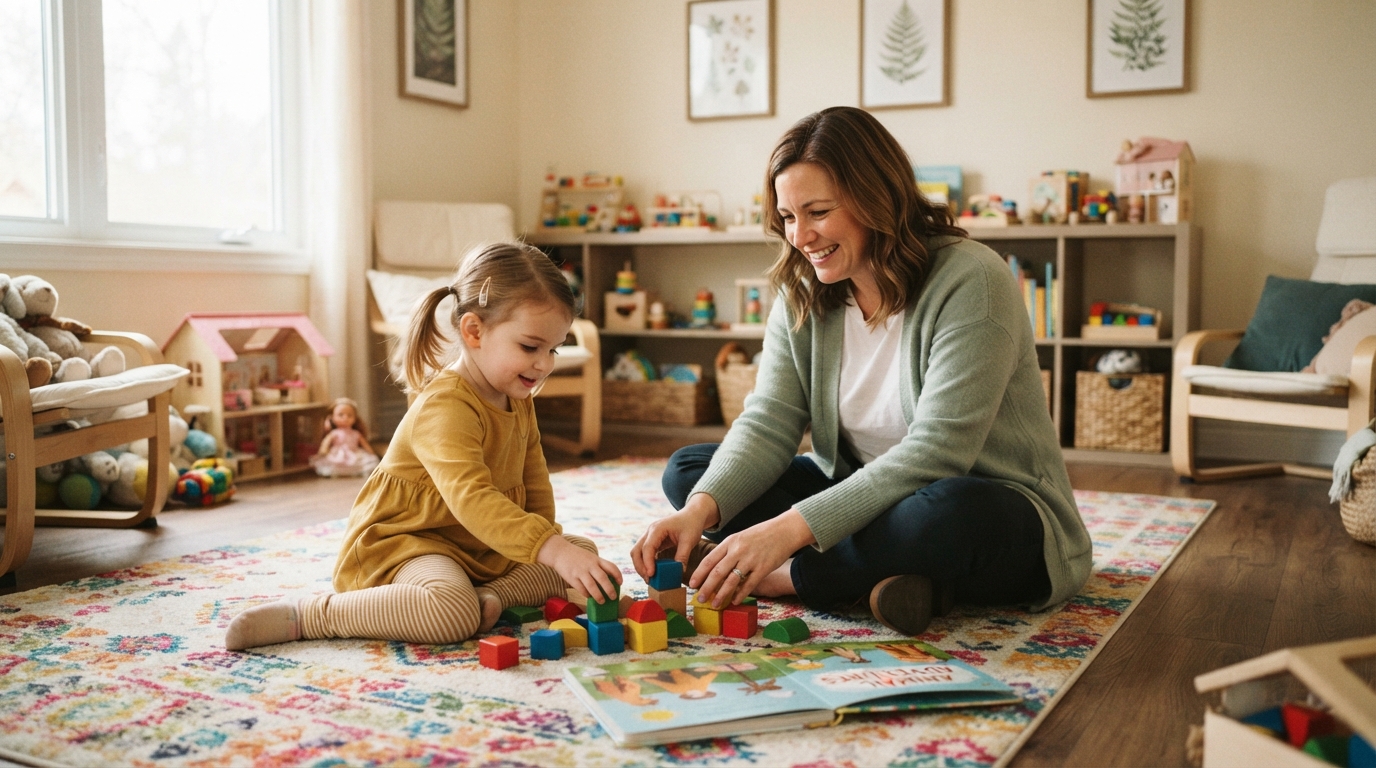
Curious about the ADOS-2 autism assessment for children? Read our simple guide to learn what happens during testing and how it helps your family.
An ADOS-2 autism assessment for children is a gentle, play-based evaluation used to understand how your child communicates and interacts. We use this standardised assessment tool to see how your young one talks, plays, and shares joy. This clear process helps doctors and families plan appropriate care for every child.
Key Takeaways
The test uses simple games, toys, and natural talk to see how your child connects.
It takes about 40 to 60 minutes of play time in a quiet, safe space.
Parents often stay in the room so their child feels calm and safe.
The final report helps you explore school support and funding pathways like the NDIS.
What is the ADOS-2?
The letters stand for Autism Diagnostic Observation Schedule, second edition. Doctors and health professionals call it an established, standardised assessment tool. We use it to watch how kids play and share ideas.
It is not a hard test with right or wrong answers. Your child cannot fail. Instead, it is a semi-structured observational assessment. We simply create moments to see how your child acts on a typical day.
The test looks at how your child uses words, eye contact, and gestures. We also look for repetitive movements or unique interests. Everything happens through simple, hands-on tasks that feel like structured play.
We match the test to your child's expressive language level. A non-verbal toddler gets a different setup than a child who speaks in full sentences. This keeps the tasks fair, accessible, and suitable for your child.
The Three Steps of the Assessment
Warm-up and Play: Gentle games help your child feel safe in the clinic space.
Observation: We watch communication, social connection, and play patterns.
Final Report: We provide clear, plain-language feedback for care and school plans.
What Happens During the Test?
During the session, we bring out a box of standardised activity materials. These are simple items like bubble blowers, balloons, wind-up toys, and picture books. We use these to build a warm, naturalistic play scenario.
We want to see how your child asks for help or shows excitement. To do this, we use soft presses for communication. For example, we might blow bubbles, put the lid back on tight, and hand the jar to your child. Then we wait to see how they ask us to open it.
They might look you in the eye, hand you the jar, or use words. These gentle moments are called communicative lures. They give us a clear view of your child's natural habits without causing stress.
For older kids, we talk about everyday topics. We might chat about school, friends, or feelings. We might also ask them to create a story using random objects. This helps us see how they share ideas and read social cues.
Our practice uses a trauma-informed lens for every task. With 24 years of experience, I focus on ensuring your child feels safe, heard, and never rushed. If your child needs a break, we stop and reset.
How Long Does the ADOS-2 Autism Assessment for Children Take?
The play part of the test usually takes 40 to 60 minutes. You should plan to spend about 60 to 90 minutes total at our Narangba clinic. This extra time lets your child get used to the room before we start.
Children work best when they do not feel rushed. Arriving a few minutes early helps your child check out the space. They can settle down and feel at home before we open the toy box.
After the play session ends, you are free to head home. The evaluator then stays behind to review their notes. We review the session carefully using exact diagnostic criteria to make sure our findings are clear and thorough.
Should Parents Stay in the Room?
In most cases, yes! For younger children or toddlers, parents stay in the room the whole time. Seeing your face helps your little one feel relaxed and secure.
Your main job is to sit quietly and be a safe spot for your child. We ask parents not to help with the games or answer questions for their child. We want to see how your child solves small problems on their own.
If you give hints, it changes how the test works. But if your child gets upset or needs a hug, you can give them comfort. You know your child best, and your supportive presence makes a huge difference.
For older kids or teenagers, we might ask parents to wait in the comfortable reception area. Many older kids talk more freely when it is just a one-on-one chat. We will always talk with you first to decide what fits best.
What Is the Evaluator Looking For?
We look at how your child connects with others across two main areas. The first area is the social affect domain. Here, we look at eye contact, gestures, facial expressions, and shared joy.
We watch to see if your child shares enjoyment with us or looks to you when something funny happens. This is called joint attention. We also look for reciprocal social interaction, which means the back-and-forth give and take of a normal conversation or game.
The second area covers restricted and repetitive behaviours. We notice if a child lines up toys in a specific order, repeats certain phrases, or makes rhythmic hand movements. We also note if they show strong sensory interests, like spinning wheels or touching textures.
We compare what we see against established criteria from the Diagnostic and Statistical Manual of Mental Disorders. This gives us a structured overview of your child's unique developmental profile.
What We Observe During Play
Social Affect Domain: Eye contact, smiles, shared joy with parents, and how they ask for help.
Restricted and Repetitive Acts: Toy lining, spinning, repeated words or sounds, and deep focus on single topics.
How Can Parents Prepare Their Child?
Preparation should be light and stress-free. You do not need to practice any games or coach your child before coming in. In fact, teaching them answers can make the test less accurate.
Tell your child that they are going to visit a friendly room to play with some toys and look at books. You can say, "We are going to meet Alison to play with some games and puzzles."
Make sure your child is well-rested and has had a good meal or snack. Bring along their favourite water bottle or a comfort item if that helps them feel calm. A relaxed child shows us their true self.
If your child asks if it is a doctor visit, let them know there are no shots or painful checks. It is simply a quiet play appointment. Keeping your own energy calm will help your child feel safe too.
What Happens After the Test Ends?
Once the session is done, we spend time studying all the details. We do not give you a final conclusion on the same day. We carefully score the session and write a full summary report.
We look at how your child engaged against clinical standards. We also blend in details from parent questionnaires and teacher forms. This gives a well-rounded picture of your child's life at home and school.
You will meet with us a short time later for a feedback meeting. During this talk, we explain the report in plain, simple words. We answer all your questions so you feel clear on what it all means.
You can learn more about our range of Clinical Assessments to see how we help families through every step of testing.
What Are the Next Steps for Your Family?
A completed report is a practical tool for your family. In Australia, a qualified health professional conducts the ADOS-2, and a paediatrician or psychiatrist sign-off is usually required for a formal medical diagnosis. This official step helps open up relevant support pathways.
First, the report can assist when applying for government support through the National Disability Insurance Scheme. NDIS funding can help your child access therapies such as speech, occupational, and behavioural support. You can also explore Services Australia Medicare rebates to help manage healthcare costs.
Second, the report can be shared with your child's school. You can share the summary with teachers to help form an Individualised Education Plan (IEP). In Queensland, this supports applications for classroom help through Education Queensland Inclusion Services.
Third, the report helps therapists build care plans suited to your child. It highlights what your child enjoys and where they may benefit from extra support. If you want to know more about our background, visit our About Alison Dunbar page.
Taking these steps provides clear guidance for your family. Early support can help children build confidence, learn new skills, and engage comfortably at home and school.
Frequently Asked Questions
What is the difference between Module 1 and Module 4?
The ADOS-2 has different levels called modules. Evaluators choose a module based on your child's age and speech level. Module 1 is for young kids who use single words. Module 4 is for older teens or adults who speak in fluent sentences.
Is an ADOS-2 test enough for a full autism diagnosis?
No, the ADOS-2 is one component of a full evaluation. A complete check also includes developmental history, parent interviews, and teacher reports. A medical specialist considers all these details together to confirm a diagnosis.
Can my child fail an ADOS-2 assessment?
No, your child cannot pass or fail. The test is not an intelligence check or a school test. It is simply a structured way to observe how your child naturally plays and communicates.
Ready to Support Your Child?
We are here to guide your family with gentle, trauma-informed care every step of the way.